CFARA introduces new colour codes across stations to improve hygiene, safety, and consistency.
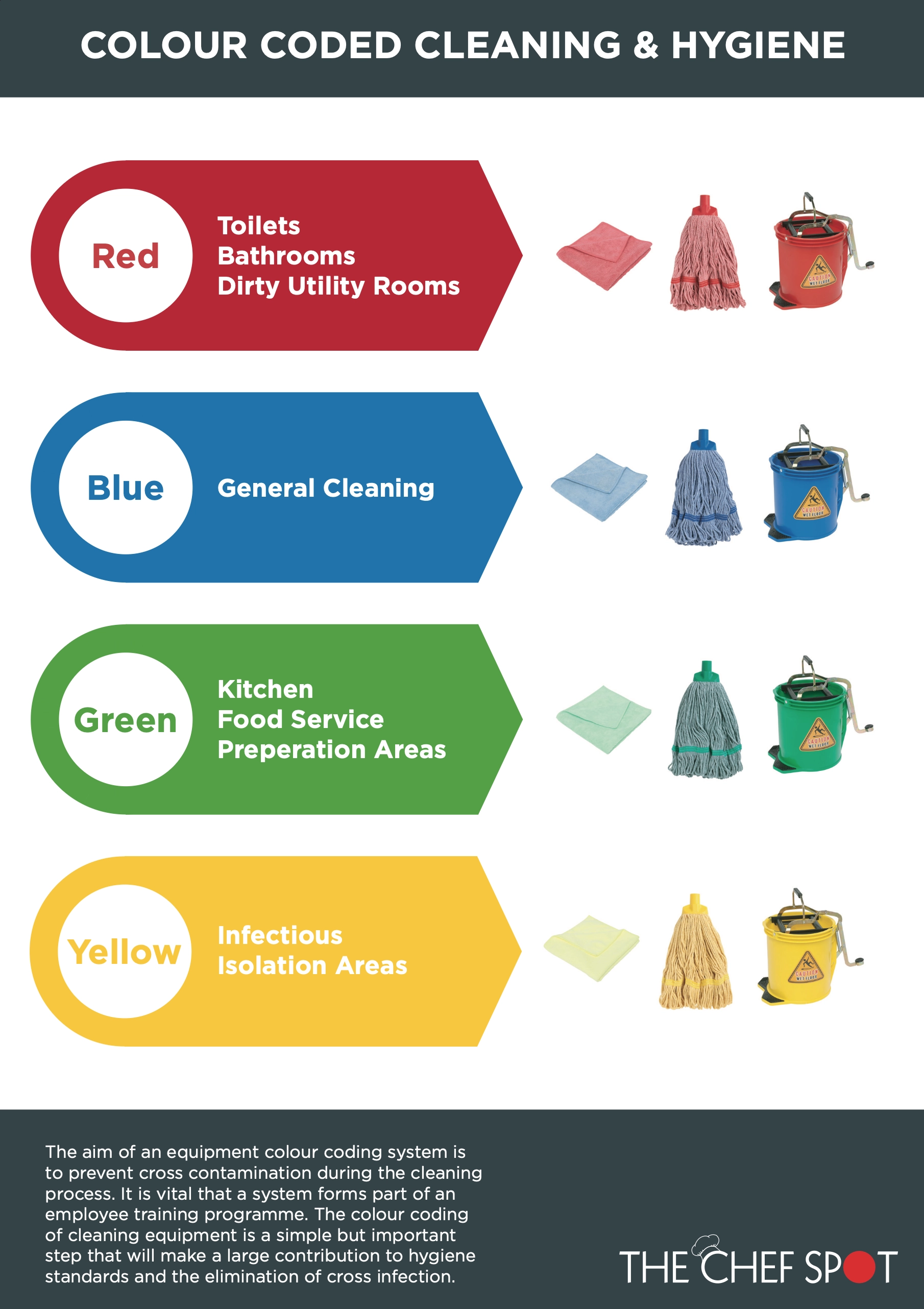
Hygiene may not be the first thing people think of in an emergency response, but it plays a vital role in keeping both volunteers and communities safe. To strengthen our hygiene standards, CFARA OHS Reps are asking that all Rescue brigades begin to convert to a new colour-coded cleaning system. This system assigns specific colours to cleaning equipment, ensuring that one cleaning gear colour is used in one area—such as toilets, kitchens, or biohazard sites—and are not accidentally used elsewhere. For example, red is designated for toilets, green for kitchens, blue for general areas, yellow for biohazards, and white for showers.
This change might seem simple, but its impact is significant. By clearly separating tasks, brigades can drastically reduce the risk of cross-contamination, keeping working environments and stations safer during and after operations. Volunteers have found the scheme easy to understand and implement, noting that the colours act as a quick visual reminder that saves time and removes confusion.
The rollout has already improved hygiene practices across brigades. Members are reporting that cleaning is now faster and more efficient, with fewer mistakes and greater accountability for who uses which equipment. In busy periods—such as during extended rescue operations or after major incidents—the system ensures that hygiene does not slip, protecting the health of everyone involved.
This initiative also reflects CFARA Rescue’s broader commitment to modern safety standards. It demonstrates that we take every aspect of volunteer wellbeing seriously, from physical training to cleanliness and hygiene. By adopting a system already proven in healthcare and food safety settings, we are bringing professional-level practices into our daily operations. Volunteers know that by following these guidelines, they are not just protecting themselves, but also ensuring the safety and trust of the communities they serve.